

TAIKAteleQ Named a Winner in Finland’s Care Work of the Future Competition
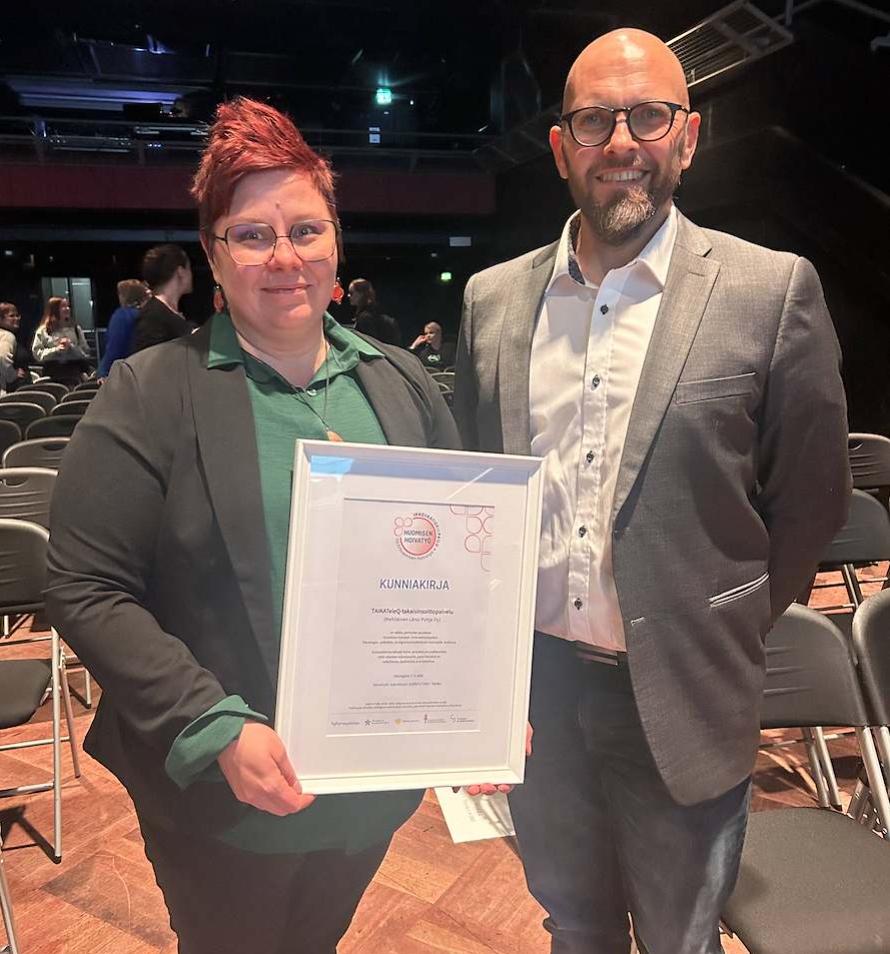
Out of 150 innovation proposals submitted to Finland’s Care Work of the Future competition, only 36 were selected for long term research and development through 2031. TAIKAteleQ, developed with Mehiläinen Länsi Pohja Oy, was one of them.
The organizers found that the strongest entries were not the most technical ones. Many winners centered on human interaction, peer support, and better everyday care practices, not automation for its own sake. That is the context TAIKAteleQ won in, and it shapes why the judges backed it.
Why the judges saw potential
Four things in particular stood out to the evaluators.
Direct productivity gains. Staff can see what a call is about before they make it, cutting the time spent simply discovering why a patient reached out.
Better routing. A short AI generated summary helps direct each request to the right professional the first time, reducing transfers and delays.
Low implementation risk. TAIKAteleQ works inside the existing callback process. Nothing about how care teams operate needs to change for it to add value.
Improved working conditions for staff. Professionals start each call already informed, which reduces the mental load of picking up an unknown request cold.
What it actually does
The function is simple by design. A patient leaves a callback request and briefly describes why. AI turns that into a short summary. The professional reads it before calling back and can prioritize or route it accordingly. Clinical decisions stay entirely with the healthcare professional. The AI does not diagnose or triage on its own, it only improves what staff know before the conversation starts.
Supporting trust in how AI is used
Questions about where AI fits into patient contact are healthy, especially in publicly funded care systems. The judges praised TAIKAteleQ precisely because it stays inside proven workflows, keeps professionals in control, and produces outcomes that are measurable rather than speculative, shorter handling times, better routing, and less administrative load on staff.
The bigger lesson from the competition was that the future of care is not simply more AI. It is technology that supports the people doing the work. AI that works quietly in the background, improves workflow, and helps clinicians spend more time on care rather than administration.